Authored by Jennifer Kret, UMN Public Health Nutrition
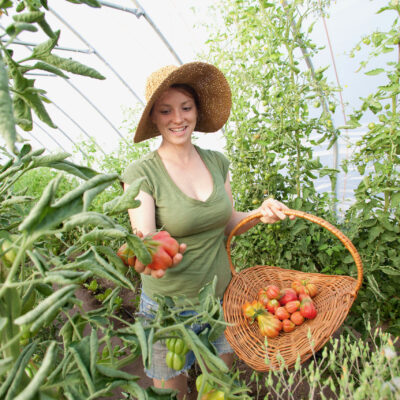
Why eat local? If you ask any devout “locavore” or “localtarian” they will tell you, among other reasons, locally grown produce is simply fresher and tastes better. The importance of eating locally produced foods is eloquently put in the Japanese interpretation of “food with a face,” and by teikkai, a word which means the provenance of a food–where it comes from, how it was raised, and who grew it. Eating local celebrates those “faces” who provide the bounty on our tables: farmers, ranchers, fishers, vintners, and foragers. Eating local is also about keeping in touch with the seasons. While food at the grocery store may look abundant and even beautiful, its origins are usually a mystery to us, keeping us disconnected from them. Additionally, supermarkets confuse the issue of seasonality by making imported produce available year round. Of course, food safety scares boost the consumer desire for greater transparency in the food system and for closer relationships with the numerous people responsible for every step on our food’s path. Hence, it is becoming more common to find local products in mainstream grocery stores because the consumer demand is growing. Connecting to our foods directly enriches our lives and appreciation for what we eat. This is why we eat local food.
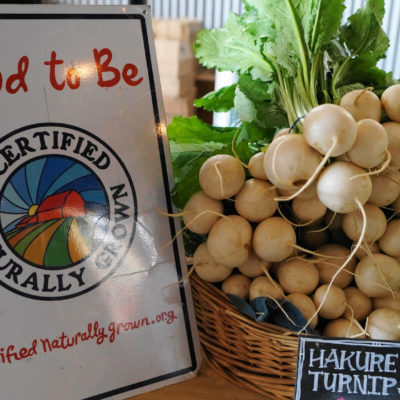
Admittedly, it can be challenging to eat locally and seasonally all the time, especially in Minnesota, but there are an increasing number of available resources and avenues for eating local products. For the novice locavore, now is a great time to start planning and stocking your home with crops from the Mill City Farmers Market (MCFM). Generally, there are a wide variety of Minnesota grown fall harvest crops to choose from, including: apples, spinach, kale, Swiss chard, cabbage, collards, broccoli, cauliflower, Brussel sprouts, radishes, beets, carrots, potatoes, onions, parsnips, turnips, pumpkins and other winter squash, sweet potatoes, garlic and herbs! Further, if you want to keep your eye on what’s available during any season in Minnesota, there is a helpful “What’s In Season Chart” on the Minnesota Department of Agriculture webpage, or the Locavore Network has a guide on the general harvest seasons for locally grown fruits and vegetables.
If you are excited for the challenge to eat local year round in Minnesota, you will want to become versed in simple storage and preservation methods that are important for ensuring your produce will stay safe and fresh. Storage is the most simple food preservation method that will keep foods up to several of months. Some sturdy fruits and vegetables like roots, squash, and apples can be kept in a cool, but not cold, storage spot. The ideal place for these produce items are a chilly (around 40 degrees) basement, entryway or closet. For more details on the best crops for storing and how to store them properly, ask your farmers at the Mill City Farmers Market. Check out the article It’s Simple to Eat Local Year Round, in the Digging Deeper section of the MCMF webpage. University of Minnesota Extension also has a comprehensive online guide to canning, freezing, drying, and pickling a variety of fruits, vegetables, and meats.
Since the MCFM closes for the season on October 15th, the subsequent references will be useful for finding alternative suppliers of local food and for keeping you connected with other locavores. Now, with some planning and enthusiasm, you will be enjoying wonderful veggies all winter long!
- A Community Supported Agriculture (CSA) share is the most direct source for local food; here, you will find everything you want and need to know about signing up for one near you.
- Twin Cities Food Co-ops are 12 community- and member-owned grocery stores dedicated to connecting neighborhood residents with the small, local producers, who stock their shelves and cases with the freshest produce, dairy and meat products available
- The Simple, Good, and Tasty directory highlights businesses and organizations that favor local ingredients, source as much local food as possible, support their communities, and embody fair trade practices.
- The purpose of Do It Green! Minnesota is to educate Minnesotans about green and sustainable living and promote building healthy, local communities. The Food Articles are a simple resource for eating local, green, organic, and sustainable food.
- Local Foods Program by the Institute for Agriculture and Trade Policy, advancing small- and medium-scale sustainable farming by expanding market opportunities, innovative partnerships and supportive policy change.